-
sub-Project Armenia
This sub-project examines how Armenian artists and cultural workers navigate and respond to the long-standing conflict between Armenia and Azerbaijan over Nagorno-Karabakh. As the geopolitical landscape continuously shifts due to the evolving nature of the conflict, this study prioritizes empirical input to capture the lived realities of artists engaged in this complex socio-political context. Conducted
-
Moving Borders- Archaeology in the Presence- 2025 onward
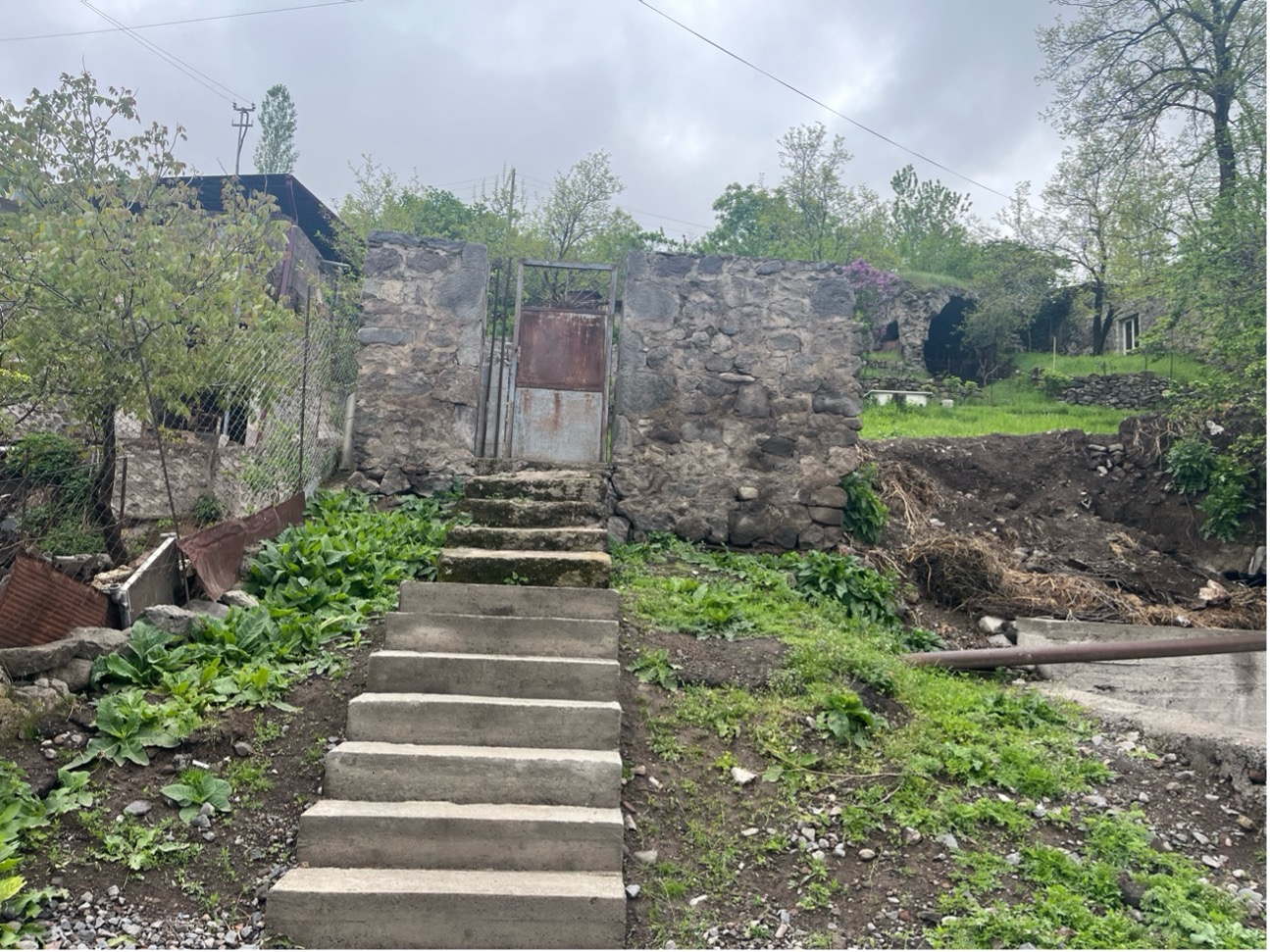
“Archaeology has been profoundly malleable as a symbolic exercise, its discoveries are laden with additional meaning, and its process can be compared to detective work (Shanks 1996) or performance (Shanks 2004, 2012). Importantly, at various points there has been a greater emphasis on archaeology as the recovery of fragments, rather than the whole picture. Archaeology recovers what
-
Of Talking Rocks and Their Ideas of Peace
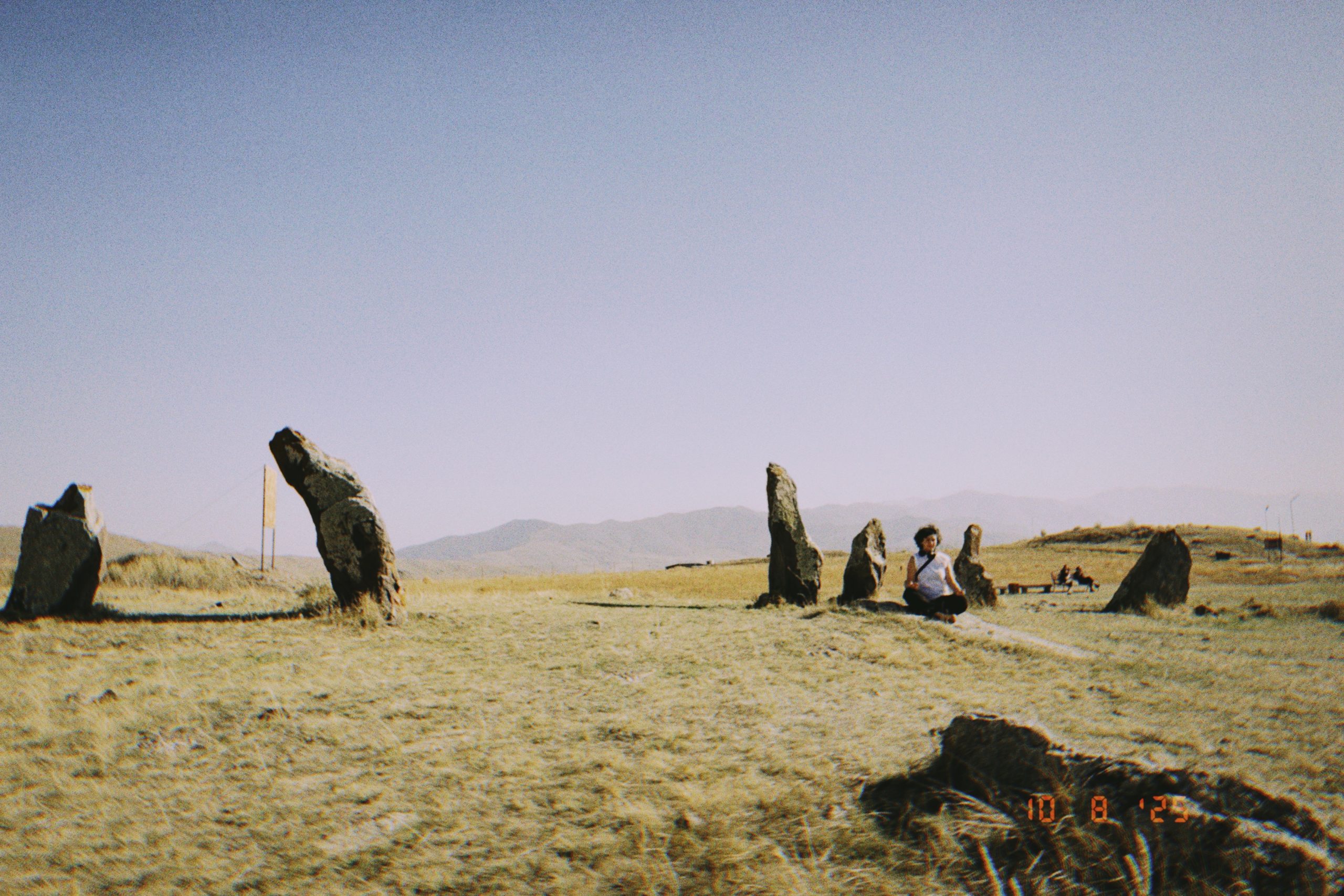
Photo by Natia Chikvaidze
-
Arts and Social Transformation Lab
For the second year the Living Room invited artists, art educators, researchers, and cultural practitioners to join a five-day laboratory on art and social transformation. The laboratory is designed as a learning and experimenting space for 12 participants to discuss and develop artistic practices engaging with displaced communities, encouraging them to take control of their
-
For This Dance I will Take the lead
“For This Dance I will Take the Lead” is a participatory performance conceptualised by the artist Tellervo Kalleinen in cooperation with the choreographer Tsolak Mlke-Galstyan. The project took place in the Living Room in January 2025 and involved a small group of young Armenians who share the life experience of being too often led by
-
The research project featured in “Horizonte. Das Schweizer Forschungsmagazin”
Jörg Scheller spoke with the Swiss National Science Foundation’s magazine about our research in (Central) Eastern Europe: “When people can openly address conflicts and criticise them, then things are generally more peaceful there than elsewhere.” Link to the article