Category: Uncategorized

Jane Barnwell

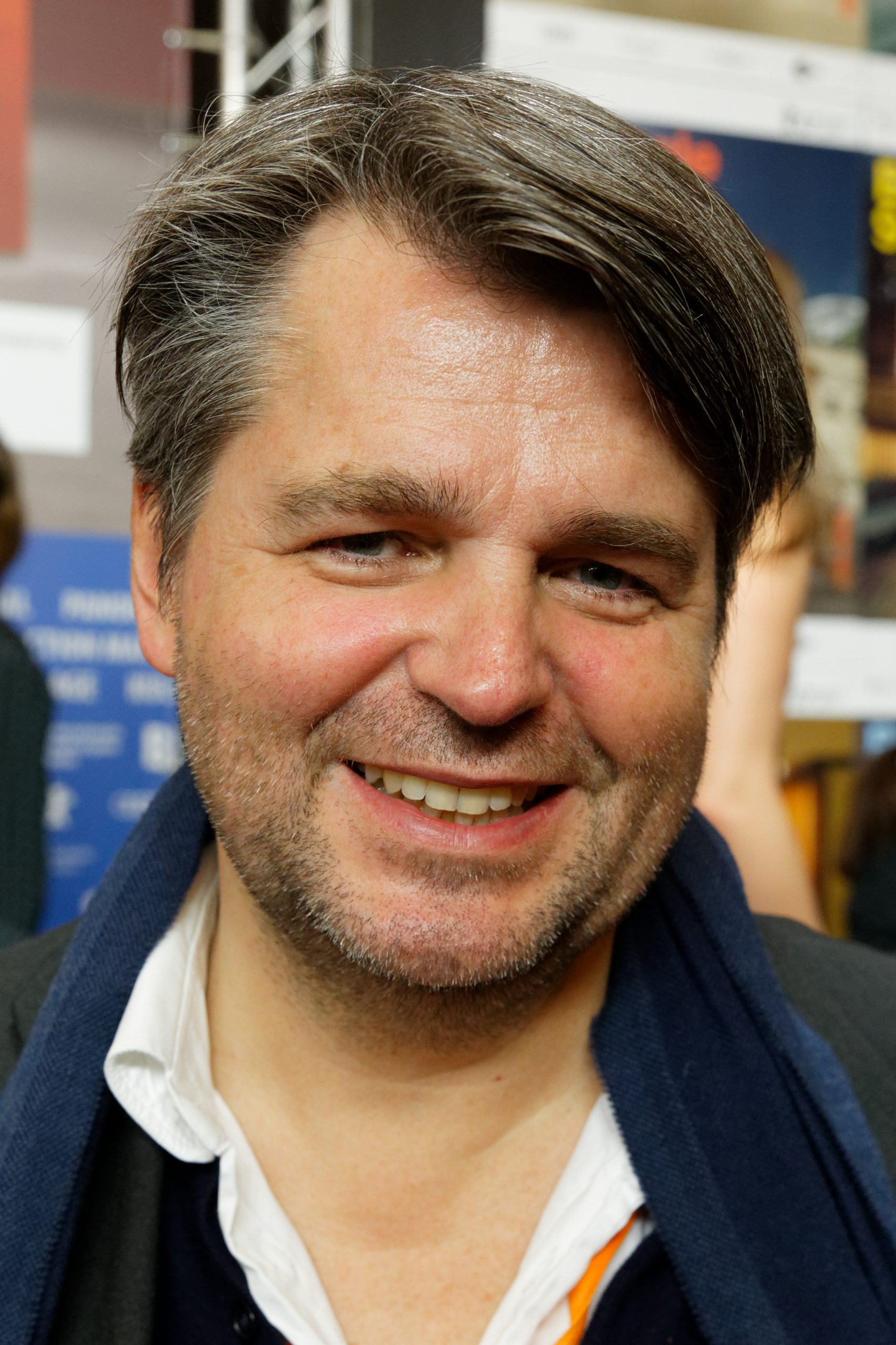
Dr. Jane Barnwell is Reader in Moving Image at the University of Westminster.  Graduating from the University of Leeds and the Northern Film School she began her career at the BBC, before working freelance in production.
Jane has authored articles in a range of forms and genres including popular magazines, periodicals and websites. Her books include
Production Design for Screen; Visual Storytelling in Film and TV” (2017), Production Design: Architects of the screen” (2004), The Fundamentals of Film Making” (2008) andProduction Design & the Cinematic Home” (2022).
She is co-founder of PD-REN (Production Design Research & Education Network) and co-editor of the forthcoming collection 
Perspectives on Production Design(UoW Press, Open Access, 2026) a ground-breaking collaboration with authors drawn from practice, research and education.   

___
> The presentation at ZFICTION.26 | The Cinematic Home

The interplay between narrative and casting

Abstract by RAQUEL KISHORI DUKPA

As a production company and collective, JÜNGLINGE develops feature film and series projects. Their collective debut film “FUTUR DREI” (2020, Berlinale Panorama) tells of the complicated feelings of growing up and living together in our immigration society. 

JÜNGLINGE takes a cross-feminist and anti-racist look at our present and tries to find an accessible and pop-affine language for it. The collective believes that films and series not only depict realities but also change them, that images create an idea of who we want to be and can be in this society.  

In her case study, Raquel Dukpa gives an insight into her work on “FUTUR DREI” and “DRUCK” and raises questions about the interplay between cast and narrative.  
>> Deutsche Version

Narrative und Besetzung im Wechselspiel

Abstract von RAQUEL KISHORI DUKPA

Als Produktionsfirma und Kollektiv entwickelt JÜNGLINGE Spielfilm- und Serienprojekte. Ihr kollektiver Debütfilm “FUTUR DREI“ (2020, Berlinale Panorama) erzählt von komplizierten Gefühlen des Aufwachsens und Zusammenlebens in unserer Einwanderungsgesellschaft. 

JÜNGLINGE wirft einen querfeministischen und anti-rassistischen Blick auf unsere Gegenwart, versucht eine zugängliche und pop-affine Sprache für sie zu finden. Das Kollektiv glaubt daran, dass Filme und Serien Realitäten nicht nur abbilden, sondern diese auch verändern, dass Bilder eine Vorstellung davon erschaffen, wer wir in dieser Gesellschaft sein wollen und können.  

Raquel Dukpa gibt in ihrer Case-Study Einblicke in ihre Arbeit an “FUTUR DREI“ und „DRUCK“ und stellt Fragen nach dem Wechselspiel von Besetzung und Narrativ. 

>> English Version

Figurenarbeit – Vom Text zum Leben

Abstract von ELLA RUMPF

In diesem Showcase mit der renommierten Schauspielerin Ella Rumpf werden wir einen tieferen Blick auf verschiedene Figuren aus ihrer Filmografie in unterschiedlichen Genres werfen. Ella Rumpf wird ihre Methode der Rollenerarbeitung sowie ihre Körper- und Stimmtechnik vorstellen. Sie wird auch einen Einblick in ihre Arbeitsbeziehungen mit Regiesseur:innen, Coaches und Schauspieler:innen geben.

>> English Version

Vulnerability in the actor-director relationship

Abstract by Katalin Gödrös

The relationship between directors and actors is fragile and has been historically characterised by abusive working relationships. What does responsible directing look like that respects boundaries, protects vulnerability and supports actors on their way to surprising performances?
In conversation with director Katalin Gödrös, these and other facets of working with actors will be explored.

>> Deutsche Version

Verletzlichkeit in der Beziehung Schauspiel-Regie

Abstract von Katalin Gödrös

Die Beziehung Regie-Schauspiel ist fragil und historisch immer wieder von missbräuchlichen Arbeitsbeziehungen geprägt. Wie sieht eine verantwortungsvolle Regiearbeit aus, die Grenzen respektiert, Verletzlichkeit schützt und die Spielenden auf dem Weg zu überraschenden Darstellungen fördert?
Im Gespräch mit Regisseurin Katalin Gödrös werden diese und weitere Facetten der Arbeit mit Schauspielenden untersucht.

>> Englischer Beitrag


Katalin Gödrös (EN)

After studying at the Film Academy in Budapest (1992-1996), where she specialised in production, she worked as a production manager for feature films in Berlin. She directed several short films and made her first feature film “Mutants” with ZDF – Das kleine Fernsehspiel, which premiered at the Berlinale in 2002. Her next feature film “Songs of Love and Hate” premiered in Locarno in 2010.

Katalin Gödrös has been writing screenplays, adapting novels and directing films since 2001. In addition to her ambitious work as a writer-director, she also accepts commissions for series and television films.

She has taught directing and screenwriting in Berlin (dffb) and Zurich (Focal, ZHDK) for fifteen years and is a mentor at the Drehbuchwerkstatt Zurich/Munich. She is professor for directing at the ifs Cologne. She works closely with the Romani Film Commission and supports the Roma Film Festival Berlin. Her latest film “Jakobs Ross”, based on the novel of the same name by Silvia Tschudi, is currently in cinemas.

>> Deutsche Version

___
> Lecture at ZFICTION.24 | Vulnerability in the actor-director relationship


>HOME | >PROGRAMM | >TICKETS

Rüdiger Suchsland

Rüdiger Suchsland

Rüdiger Suchsland ist Filmkritiker und Regisseur. Er studierte Geschichte und Philosophie in München. Nach seinem Abschluss arbeitete er als freier Journalist für verschiedene Kulturredaktionen.
 Seit 1998 ist er hauptsächlich im Bereich der Filmkritik tätig. Als Autor schreibt er beispielsweise für die FAZ, den film-dienst, Telepolis, den Deutschlandfunk und diverse andere überregionale und regionale Publikationen. 
Seit 1997 ist er Redakteur bei artechock. Neben seinem sämtlichen Kritiken und ausführlichen Interviews veröffentlicht er dort mit der unregelmäßig erscheinenden Rubrik «Cinema Moralia» regelmäßig lose Notizen, die aktuelle Beobachtungen, Kurzkritiken, Klatsch, Filmpolitisches und viele unentbehrliche Hinweise zu einer in jeder Hinsicht freien Textform verbinden.
Von 1998 bis 2004 war er Mitarbeiter des Filmfest München und seit 2002 beim Filmfestival Mannheim-Heidelberg sowie am «Festival des deutschen Films» in Ludwigshafen. 2004-2008 und wieder seit 2012 ist er Vorstandsmitglied beim Verband der deutschen Filmkritik. 
Über seine Arbeit als Filmkritiker meint Suchsland: «Filmkritik ist natürlich subjektiv. Sie sollte aber unbedingt engagiert und immer neugierig sein. Filmkritik hält immer etwas Distanz, identifiziert sich jederzeit mit dem Kino, aber nur begrenzt mit ,der Filmbranche‘. Ein wirklich guter Filmkritiker ist immer auch ein Gesellschafts- und Kulturkritiker.»

> Cinema Moralia auf artechock.de

> English Version

Exploring the creative possibilities of realtime technologies

Abstract by Andreas Dahn and Mirko Lempert

How can realtime technology be used as a creative tool in the storytelling process, but still address the technical, organizational needs and preconditions of film productions? Can technology that is embracing rapid prototyping, empower artistic talents to exploit their full potential at an early production stage, and help to solve problems with creativity, especially when dealing with limited resources? How can simulation help to test, visualize and negotiate ideas that may serve as foundation for the entire artistic process? Is it possible to create a work environment that is mobile and accessible to everyone regardless of the scale of the budget?

In this presentation Andreas Dahn will give insights on the virtual production process of his short film and vr experience „Home in the Distance“, which he produced as Filmmaker in Residence at the Immersive Arts Space. Mirko Lempert will discuss questions of producing and prototyping in virtual space. Both will share their findings and outcomes from their works at the ZHdK and cast a glimpse into the future of virtual production.

> Dienstag, 29. Juni, 13:45 – 14:30h  > Programm