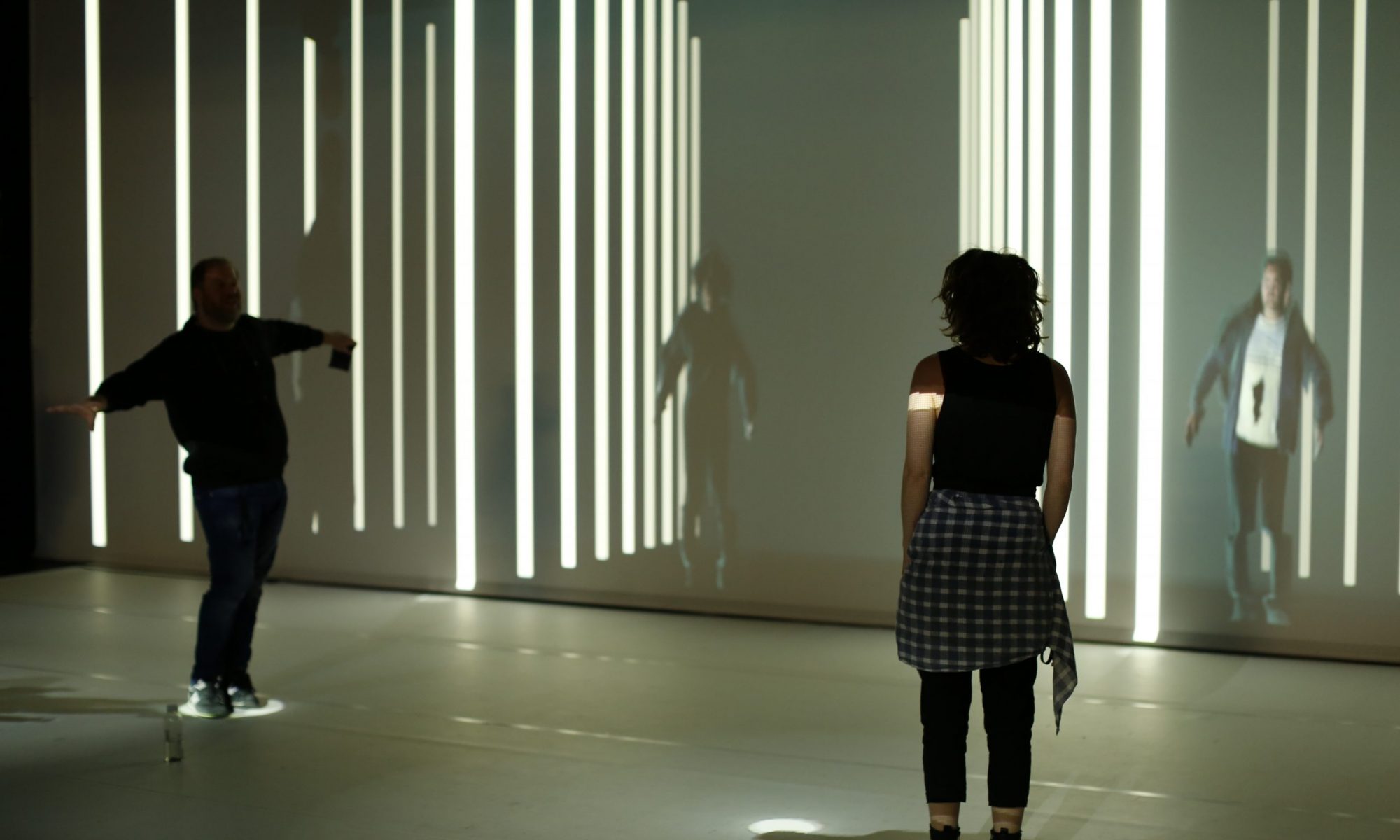
Create a multi-sensory experience that blurs the boundaries between artistic practice and technology and step into the exciting intersection of art, technology and design with the Immersive Arts Minors. The programs provide you with the tools to explore immersive media and develop group projects in a collaborative, interdisciplinary environment.
Immersive Arts Basic Minor – Discover the World of Immersive Arts
Immersive Arts Advanced Minor – Where Creativity meets Cutting-Edge Technology
Immersive Arts Basic Minor – Discover the World of Immersive Arts
What to Expect
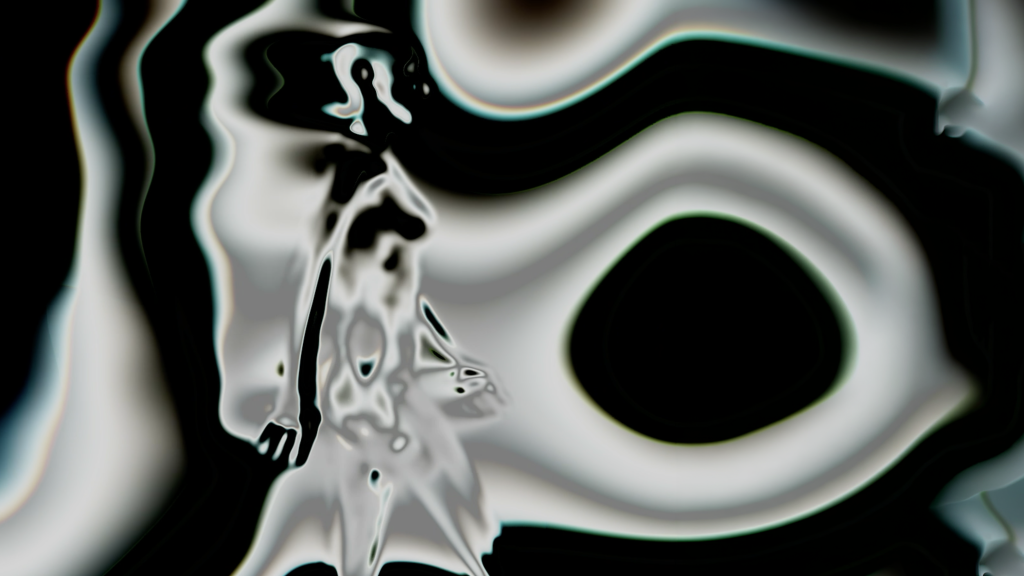
In the Immersive Arts Basic Minor, BA and MA students discover the world of immersive arts. Through a critical lens, they examine emerging trends, exploring their creative potential and broader implications. Students design playful fusions of real and virtual, integrating low-tech approaches while experimenting with 3D modelling, 3D scanning, audio, and image perception and processing. Collaboration is central: working across disciplines, you will develop interdisciplinary solutions together.
The minor runs over two semesters in English. Lectures, seminars, self-study, mentorship, group work, and peer review structure the learning experience across five modules. The first module runs on Friday afternoons in the autumn semester and introduces immersive arts and practices. It is followed by three intensive two-week modules where you will deepen your knowledge and explore tools, software, and new workflows. A final Friday-afternoon module closes the minor with structured reflection.
In the first two-week module, Digital Objects – 3D Modelling and Scanning, you will build foundational skills for creating digital 3D objects, with an understanding of core workflows from modelling to rendering, covering polygonal modelling, digital scanning workflows, lighting and material setup, and object transformation in Blender.
The second module, Audio Perception, Systems, and Processing, is divided into two one-week blocks. The first covers the fundamentals of auditory perception and audio systems – from psychophysical concepts such as sound propagation to multi-channel digital audio networks – with practical work in Reaper. In the second block you will address audio processing and live audio with Max/MSP, including event triggering, mapping, scaling, and interfacing with input devices and external sensors, learning live audio processing, data handling, and system design for interactive audio.
In the third module, Visual Programming and Signal Processing, you will develop skills for creating visual and interactive projects using 2D textures, 3D models, audio reactivity, and MediaPipe, with a focus on real-time responsive systems. Key topics include generative art, interactive installation, and node-based workflows in TouchDesigner, as well as critical reflection on projects in terms of aesthetics, interactivity, and technology.
How to prepare
Bring curiosity and an openness to combining art practice with digital technologies. You have an interest in developing unconventional solutions in an interdisciplinary, collaborative manner and a basic knowledge of digital image, video, and audio. Some familiarity with 3D modelling is an advantage but is not required.
The minor invites you to deepen your creative practice, unlock new skills complementary to your artistic work, and experiment with software and tools shaping tomorrow – in close exchange with an interdisciplinary group of students and peers.
Feel free to contact Stella Speziali with your questions. For administrative inquiries, please contact Joëlle Kost.
Your Mentors:
Melody Chua: 3D Audio, Performance & Systems Design
Mark Iandovka: Computer Science & Creative Technologies
Johnnes Koeberle: 3D Pipelines & Game Design
Joëlle Kost: Visualizations & Film
Prof. Dr. Christopher Salter: Director Immersive Arts Space / Concepts and Methods
Sébastien Schiesser: Audio Systems & Stage Lighting
Stella Speziali: Minor Coordination / Visuals & Interaction Design
Paulina Zybinska: Visual Programming & Interaction Design
Immersive Arts Advanced Minor – Where Creativity meets Cutting-Edge Technology
What to Expect
Under the lead and mentorship of the research members of the Immersive Arts Space BA & MA students will create multi-sensory experiences that dissolve the boundaries between art making and technology.
In the first round on Friday afternoons, you will get to know the other participants, their artistic backgrounds and sketch out initial ideas for your projects. There will be input on brainstorming, observation methods and project management. You will also receive initial technical input and small practice assignments.
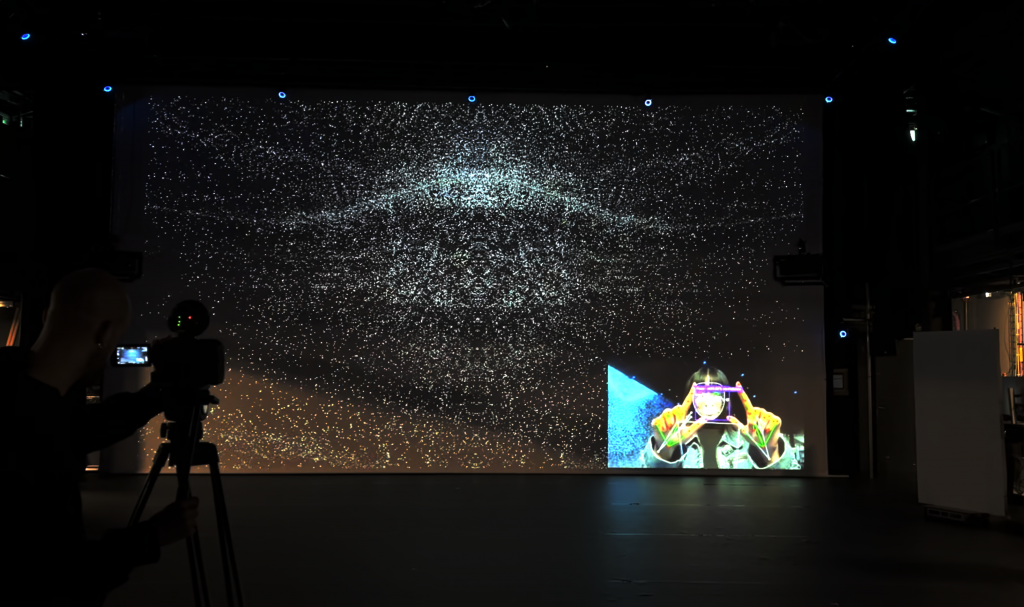
The first round of block-weeks will immerse you in the technical possibilities of the Immersive Arts Space and provide you with basic technical skills in tracking technology, volumetric capture, digital avatars, projection mapping, spatial augmented reality, lighting control and spatial (with ambisonic) and binaural audio. Short workshops are followed by periods of individual development, alternating with group tutorials and mentored learning.
This knowledge forms the basis for the second block week in the spring semester. The focus here is on project realisation: In the first week – outside the Immersive Arts Space – the project ideas are refined in terms of theme, scope and approach, and a concrete production plan and distribution of tasks are drawn up. This is followed by the actual implementation phase, where the skills learned are put into practice. In the last week, the projects are finalised and completed. The teams determine the appropriate medium for expressing their ideas, so that an audience can experience and interact with the project in a meaningful way.
In the final module, participants learn the essential skills for presenting their creative work outside the ZHdK. Students will learn how to document projects with high quality images and videos, develop detailed technical riders for exhibitions and/or performances, write research papers, prepare applications for open calls for festivals and residencies, and apply for grants. Through theoretical input and practical workshops, students will learn how to navigate professional opportunities in the creative industries.
Why Choose this Minor?
The Immersive Arts minor provides a solid foundation in immersive media, preparing you to push creative boundaries at the intersection of art and technology. Whether you’re an artist, designer or technologist, this is your chance to expand your skills and shape the future of immersive storytelling. Feel free to contact Stella Speziali with your questions. For administrative inquiries, please contact Joëlle Kost.
Your Mentors:
Jana Eske: Fundraising
Martin Fröhlich: Projection Mapping & Robotics
Eric Larrieux: 3D Audio & Interactive Audio
Joëlle Kost: Storyboarding
Christopher Salter: Director of Immersive Arts Space / Concepts & Methods
Stella Speziali: Minor Coordination / Projection Mapping & Visual Concepts
Corinne Soland: Motion Capture
Sébastien Schiesser:Audio Systems & Stage Lighting